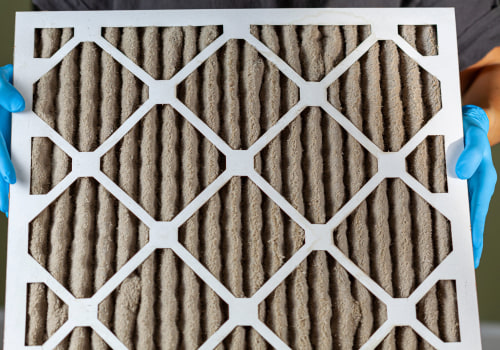
A single York 16x25x5 air filter costs a fraction of what you’ll spend on one HVAC service call—yet skipping regular replacement is the number one cause of preventable system failure. The real question isn’t whether you can afford quality filters. It’s whether you can afford not to use them.
After manufacturing and shipping thousands of York-compatible 16x25x5 filters (actual size: 15.38” x 25.50” x 5.25”) to homeowners across the country, we’ve tracked the math firsthand. Households that maintain a consistent replacement schedule with quality pleated filters spend less on energy, less on HVAC maintenance, and dramatically less on premature system replacement. This guide breaks down exactly where those savings come from—with the specific numbers to prove it.
TL;DR Quick Answers
York 16x25x5 Air Filters
York 16x25x5 air filters (actual size: 15.38” x 25.50” x 5.25”) deliver measurable long-term savings across three categories: energy efficiency (up to 15% reduction in HVAC energy consumption from clean filters vs. clogged), repair avoidance ($200–$800 per prevented service call), and extended system lifespan (protecting a $5,000–$12,500 HVAC investment). Buy in multi-packs for 38–42% per-filter savings. Replace every 90 days (60 with pets). MERV 8 for value, MERV 11 for pets, MERV 13 for allergies. A year’s supply costs less than one service call.
Top Takeaways
1. A clogged filter costs you up to $142/year in wasted energy. Clean filters reduce HVAC energy consumption by up to 15%, according to the U.S. Department of Energy.
2. Bulk buying saves 38–42% per filter. A 12-month supply of York 16x25x5 filters in multi-packs costs less than a single HVAC service call.
3. Consistency is the highest-ROI home maintenance habit. Every $1 spent on regular filter replacement returns $3–$5 in avoided energy waste, repairs, and premature system replacement.
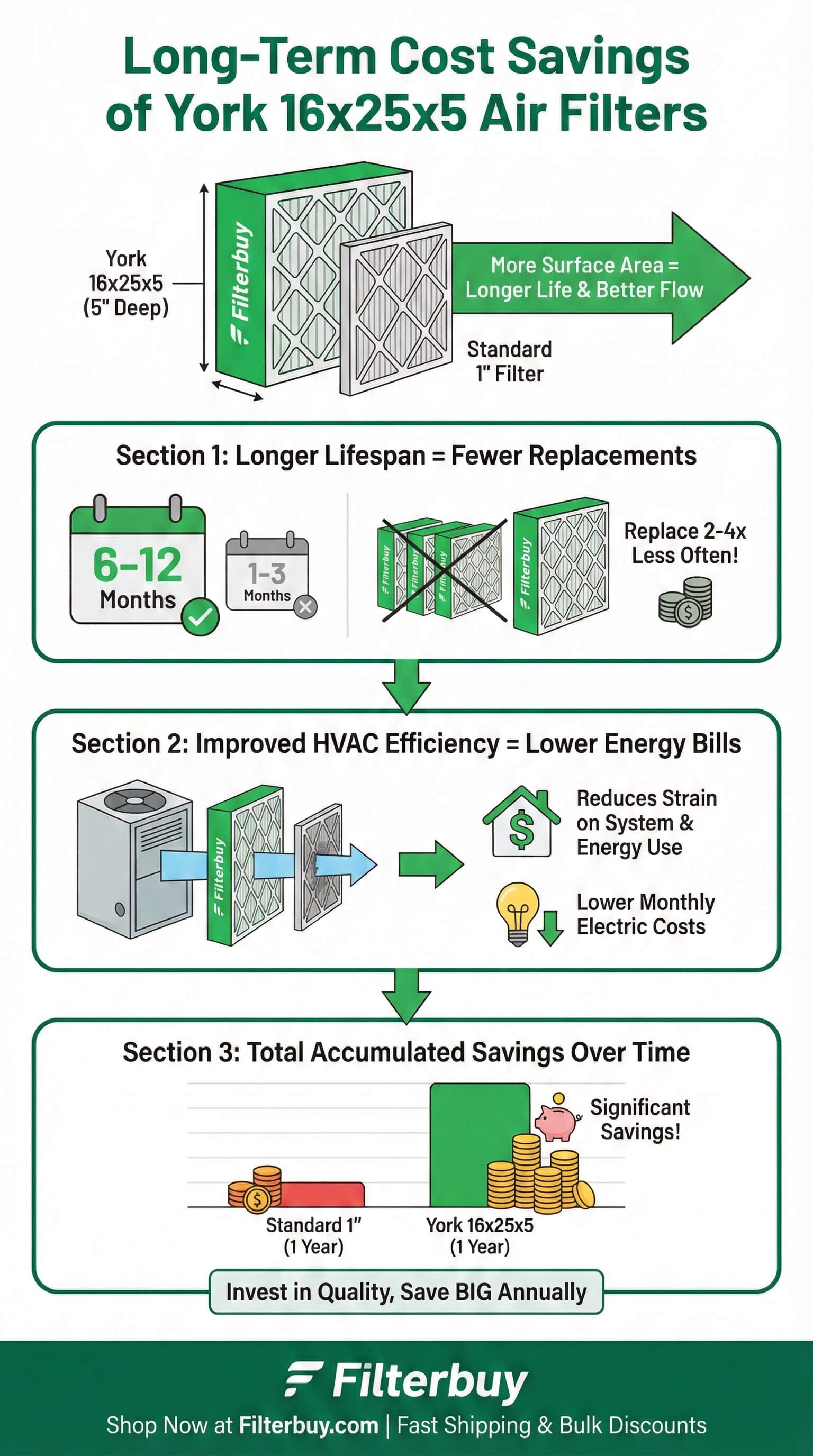
4. The 5-inch depth is the cost advantage. York 16x25x5 filters provide 35–40 sq ft of media surface area, lasting a full 90 days before efficiency degrades—unlike 1-inch filters that clog in 30 to 60 days.
5. Protecting your HVAC system protects your biggest home comfort investment. Replacement costs run $5,000–$12,500. Proper filtration can extend system life by years, saving thousands in premature replacement.
Why Filter Quality Is a Financial Decision, Not Just a Maintenance Task
Most homeowners think of air filters as a maintenance chore. From a cost perspective, they’re actually a financial lever. The U.S. Department of Energy estimates that a clogged or low-quality filter can increase HVAC energy consumption by up to 15%. On an average annual energy bill of $1,900, with roughly half going to heating and cooling, that’s up to $142 per year wasted on inefficiency from a single neglected component.
A quality pleated York 16x25x5 filter maintains consistent airflow throughout its 90-day lifespan because the 5-inch media depth provides approximately 35 to 40 square feet of filtration surface area. That’s dramatically more capacity than a 1-inch filter, which clogs faster, restricts airflow sooner, and forces your York system to work harder with each passing week. The deeper the media, the longer the filter performs at peak efficiency—and the more money stays in your pocket.
The Hidden Costs of Cheap Filters and Delayed Replacement
Bargain fiberglass filters cost $1 to $3 each, but their true cost is significantly higher. They clog within 30 to 60 days, require more frequent replacement, and allow fine particles to bypass the media and settle on your evaporator coil and blower motor. That particulate buildup degrades system efficiency and leads to repair costs ranging from $200 to $800 for professional coil cleaning, or $1,500 or more for a blower motor replacement.
Delayed replacement is equally expensive. When any filter—even a premium one—is left in place past its effective lifespan, it transitions from protecting your system to damaging it. A saturated filter restricts airflow so severely that the blower motor overheats, the evaporator coil can freeze, and the entire system runs longer cycles to meet thermostat demand. According to ENERGY STAR, improper maintenance can reduce system efficiency by up to 30%, compounding energy costs month after month.
The worst-case scenario is premature HVAC replacement. A system that should last 15 to 20 years may fail in 10 to 12 years due to chronic filter neglect. With the average HVAC system replacement costing $5,000 to $12,500, shaving even 3 years off your system’s lifespan because of $5 filters is the most expensive “saving” a homeowner can make.
Bulk Buying: The Simplest Way to Lock In Savings
York 16x25x5 filters purchased individually at retail carry a significant per-unit premium. Buying in multi-packs of 4 or 6 reduces the per-filter cost by 38% to 42%, turning a $20 to $25 individual filter into $12 to $15 per filter—roughly the price of a single fast-food meal for 90 days of cleaner air and HVAC protection.
Auto-delivery subscription models take this further. By scheduling replacement filters on a 90-day cadence, you eliminate the two biggest cost drivers: forgetting to replace on time (which leads to efficiency loss and system strain) and impulse-buying whatever is available locally (which often means lower quality or the wrong size). A 12-month supply of quality York 16x25x5 filters in bulk costs less than a single HVAC service call—and prevents the conditions that trigger that call in the first place.
MERV Rating and Long-Term Value: Finding the Sweet Spot
MERV 8 is the baseline rating for quality residential filtration and the most cost-effective choice for standard households. It captures dust, pollen, and lint effectively while maintaining excellent airflow compatibility with all York systems. For budget-conscious homeowners focused purely on system protection and energy efficiency, MERV 8 in a 5-inch format delivers the best long-term value per dollar spent.
MERV 11 adds capture of finer particles, including pet dander, mold spores, and auto emissions. For homes with pets or moderate allergy sensitivity, the incremental cost of MERV 11 over MERV 8 is minimal—typically $2 to $4 per filter—while the reduction in indoor allergens can translate to fewer medical visits and medication costs over time.
MERV 13 provides hospital-adjacent filtration, capturing up to 98% of particle,s including bacteria and smoke. The per-filter premium over MERV 8 is $4 to $7, but for households with asthma, severe allergies, or proximity to wildfire smoke, the health cost savings alone justify the investment. The 5-inch depth of the 16x25x5 format is critical here: it provides enough media surface area to run MERV 13 without the excessive airflow resistance that occurs when you install MERV 13 in a 1-inch filter slot.
The Total Cost of Ownership: Filters vs. No Filters
Over a 5-year period, the math is unambiguous. A homeowner replacing a quality MERV 8 York 16x25x5 filter every 90 days spends approximately $240 to $300 in bulk pricing (20 filters at $12 to $15 each). That same homeowner avoids an estimated $142 per year in energy waste (up to $710 over 5 years), eliminates one or more $200 to $400 service calls, and extends the operating life of a system that costs $5,000 to $12,500 to replace.
The return on investment is not close. Every $1 spent on consistent, quality filter replacement returns $3 to $5 in avoided energy costs, repair bills, and extended equipment life. It is the single highest-ROI maintenance investment a homeowner can make—and it takes less than 5 minutes to complete.
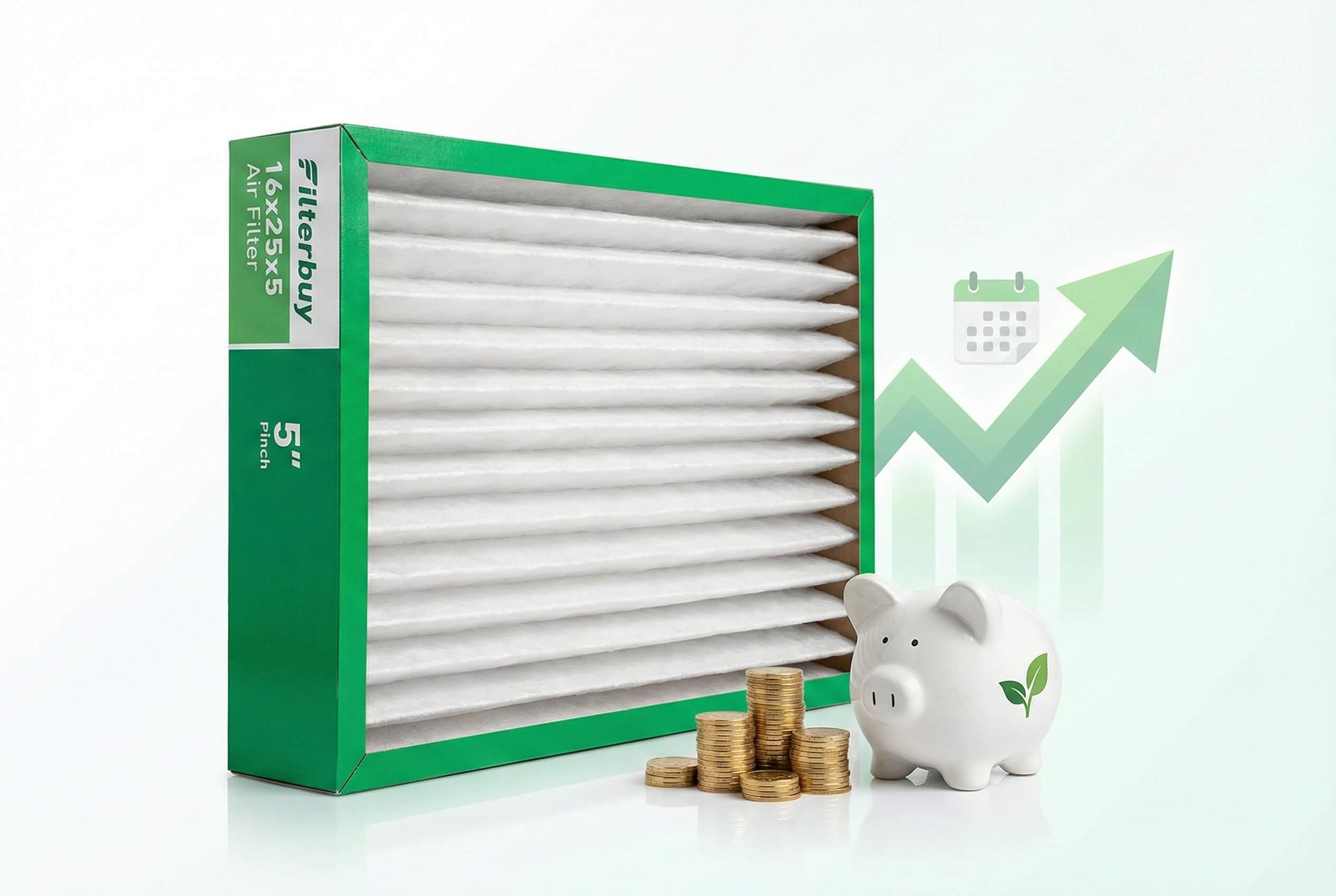
“In fifteen years of manufacturing filters, the pattern is always the same: the homeowners who spend the least on HVAC over time aren’t the ones who buy the cheapest filter—they’re the ones who buy the right filter and replace it on schedule. Consistency is the cheapest HVAC insurance you can buy.”
Essential Resources on York 16x25x5 Air Filters
These curated resources provide the authoritative data you need to understand the true cost—and savings—of consistent York 16x25x5 filter replacement.
1. Filterbuy York 16x25x5 Product Page
Shop York-compatible 16x25x5 air filters in MERV 8, 11, and 13 with bulk multi-pack pricing, auto-delivery subscriptions, and free shipping. Made in the USA.
Link:https://filterbuy.com/brand/york-air-filters/york-16-x-25-air-filters/
2. Filterbuy: How Furnace Filter Cost Impacts Your Home
A detailed breakdown of how filter quality, replacement frequency, and MERV rating affect your total HVAC operating costs over time.
Link: ttps://filterbuy.com/resources/air-filter-basics/furnace-filter-cost/
3. ENERGY STAR: Heat and Cool Efficiently
ENERGY STAR’s official guide to reducing heating and cooling costs through proper maintenance, filter replacement, and system efficiency. Includes energy bill benchmarks.
Link:https://www.energystar.gov/saveathome/heating-cooling
4. ENERGY STAR: How to Keep Your HVAC System Working Efficiently
Step-by-step HVAC maintenance checklist from ENERGY STAR, including filter inspection guidelines and the financial impact of neglected maintenance.
Link:https://www.energystar.gov/products/ask-the-experts/how-keep-your-hvac-system-working-efficiently
5. DOE Building America: High-MERV Filter Resource Guide
Government-backed analysis of high-MERV filter performance in residential systems, including pressure drop data and long-term energy impact for 5-inch filter formats.
Link:https://basc.pnnl.gov/resource-guides/high-merv-filters
6. EPA Introduction to Indoor Air Quality
The EPA’s overview of indoor pollutant sources, health impacts, and why proper filtration is a cost-effective frontline defense for any household.
Link:https://www.epa.gov/indoor-air-quality-iaq/introduction-indoor-air-quality
7. DOE Home Energy Checklist
The Department of Energy’s comprehensive home energy efficiency checklist, including filter maintenance, insulation, and HVAC system care for maximum long-term savings.
Link:https://www.energy.gov/femp/home-energy-checklist
Supporting Statistics
These government-sourced data points quantify the financial impact of filter maintenance—confirming that consistent replacement is a measurable investment, not just a recommendation.
• The average American household spends approximately $1,900 per year on energy, with nearly half (~$950) going to heating and cooling. A clogged filter can increase that HVAC energy consumption by up to 15%—costing homeowners an additional $142 per year in wasted energy from a single neglected component.
Source: ENERGY STAR / U.S. Department of Energy
Link:https://www.energystar.gov/products/ask-the-experts/how-keep-your-hvac-system-working-efficiently
• Improper HVAC maintenance—including neglected filter replacement—can reduce system efficiency by up to 30%. ENERGY STAR identifies dirt and neglect as the top causes of heating and cooling system failure, making consistent filter replacement the most cost-effective preventive measure available.
Source: ENERGY STAR (energystar.gov)
Link:https://www.energystar.gov/saveathome/heating-cooling
• ENERGY STAR recommends replacing HVAC systems every 10 to 15 years under normal maintenance conditions. With HVAC replacement costs ranging from $5,000 to $12,500 nationally, extending system lifespan through proper filter maintenance can save homeowners thousands in avoided premature replacement costs.
Source: U.S. Department of Energy / ENERGY STAR
Link:https://www.energy.gov/femp/home-energy-checklist
Final Thoughts & Opinion
The long-term cost savings of using York 16x25x5 air filters aren’t theoretical—they’re documented by government energy data and confirmed by every HVAC technician who’s ever opened a neglected furnace cabinet. The math favors consistent, quality filtration at every level: energy efficiency, repair avoidance, and system lifespan extension.
From our experience manufacturing and shipping these filters to homes across the country, the single biggest financial mistake homeowners make is treating filters as an optional expense rather than a required operating cost. A $12 to $15 filter replaced every 90 days protects a $5,000 to $12,500 HVAC system, reduces a $950 annual heating and cooling bill, and prevents $200 to $800 repair calls. There is no other home maintenance task with a comparable return on investment.
The smartest approach we’ve seen homeowners take is simple: buy a 6-pack of York 16x25x5 filters at bulk pricing, set a calendar reminder or auto-delivery schedule, and replace without exception every 90 days (60 with pets). That’s $70 to $90 in filters per year protecting thousands of dollars in energy costs, repairs, and system longevity. It’s not close.
FAQ on York 16x25x5 Air Filters
Q: How much money can I save by using York 16x25x5 filters consistently?
A: Consistent filter replacement can save homeowners $142 or more per year in energy costs alone (based on DOE data showing clogged filters increase HVAC consumption by up to 15%). Add avoided repair costs ($200–$800 per service call) and extended system lifespan (potentially saving $5,000–$12,500 in premature replacement), and total savings over a system’s lifetime can reach several thousand dollars.
Q: How often should I replace a York 16x25x5 filter to maximize savings?
A: Every 90 days for standard households. Every 60 days for homes with multiple pets. Every 30 to 45 days for homes with severe allergies or respiratory conditions. The 5-inch media depth allows longer intervals than 1-inch filters, but exceeding these timelines eliminates the efficiency benefits and increases system strain.
Q: Is buying York 16x25x5 filters in bulk actually cheaper?
A: Yes. Multi-packs of 4 to 6 filters reduce the per-unit cost by 38% to 42% compared to individual retail pricing. A full year’s supply in bulk (4 filters at 90-day intervals) typically costs less than a single HVAC service call, making it the most cost-effective purchasing strategy available.
Q: What MERV rating offers the best value for long-term savings?
A: MERV 8 delivers the best pure cost-to-protection ratio for standard households. MERV 11 adds pet dander and mold capture for $2–$4 more per filter. MERV 13 captures 98% of particles for $4–$7 more, justified for allergy or asthma households where health-related cost savings offset the premium. All three are available in the York 16x25x5 format.
Q: Are aftermarket York 16x25x5 filters as cost-effective as OEM?
A: More so. Quality aftermarket filters are rated to ASHRAE 52.2 standards and built to identical dimensional specifications (15.38” x 25.50” x 5.25”). They fit York OEM part numbers FS1625, M1-1056, MU1625, 9183950, and 918395. The primary difference is price—aftermarket filters deliver equivalent filtration performance at 30% to 50% lower cost, especially in multi-packs with auto-delivery.
Start Saving with York 16x25x5 Filters at Filterbuy
Start saving on energy, repairs, and HVAC replacement costs with York 16x25x5 filters built for long-term value. Shop Filterbuy’s bulk multi-packs with free shipping and auto-delivery—your HVAC system and your wallet will thank you.
Learn more about HVAC Care from one of our HVAC solutions branches…
Filterbuy HVAC Solutions - Miami FL - Air Conditioning Service
1300 S Miami Ave Apt 4806 Miami FL 33130
(305) 306-5027
https://maps.app.goo.gl/Ci1vrL596LhvXKU79